


How To Spot Hazardous Dead Limbs On Your Trees
- kotlerd44
- Apr 22
- 5 min read

Dead limbs do more than affect how a tree looks. They create real safety risks for people, homes, and nearby structures. Homeowners often overlook early warning signs, which allows small issues to turn into dangerous situations.
Understanding how to identify hazardous dead limbs helps you take action before damage occurs. With the right knowledge, you can protect your property and keep your landscape healthy and safe.
Why Dead Limbs Become Dangerous
Dead limbs lose structural strength over time. They dry out, crack, and weaken under normal weather conditions. Wind, rain, or even slight pressure can cause them to snap without warning.
As limbs decay, they also become heavier due to moisture absorption and internal rot. This added weight increases the chance of sudden failure. That risk grows even higher when the limb hangs over a home, driveway, or walkway.
Look for Branches Without Leaves
Healthy trees follow predictable seasonal patterns. During growing seasons, branches should show consistent leaf growth across the canopy. A branch that remains bare while others thrive often signals a problem.
Dead limbs cannot produce leaves because they no longer transport nutrients. If you notice isolated sections without foliage, inspect them closely. This simple visual check helps identify early hazards before they worsen.
Check for Brittle or Cracking Wood
Dead limbs feel dry and brittle compared to healthy branches. When you gently press or tap them, they may crack or break easily. This lack of flexibility signals structural weakness.
Healthy branches bend slightly under pressure. Dead ones snap. That difference plays a key role in identifying potential hazards, especially after storms or strong winds.
Watch for Peeling or Missing Bark
Bark protects a tree’s internal structure. When a limb dies, the bark often loosens, cracks, or falls away completely. This exposure speeds up decay and invites pests.
Large patches of missing bark usually indicate advanced deterioration. If you see smooth, bare wood where bark once existed, the limb likely poses a risk and needs attention.
Identify Fungus or Rot Growth
Fungi thrive on decaying organic matter. When you see mushrooms or fungal growth on a branch, it often means internal rot has already started. This decay weakens the limb from the inside out.
Soft spots, discoloration, or spongy wood also point to rot. These conditions reduce the limb’s ability to support its own weight. Even if the outer surface looks stable, the interior may fail suddenly.

Notice Hanging or Partially Broken Limbs
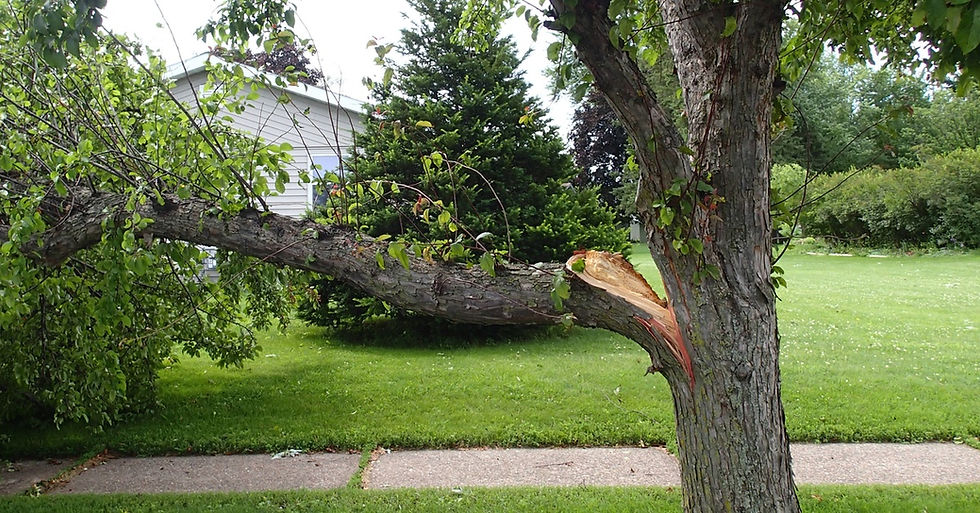
A partially broken limb creates one of the most immediate hazards. These branches may hang loosely after storms or heavy winds. They can fall at any time with little warning.
Even if the limb still connects to the tree, it no longer holds structural integrity. You should treat these situations as urgent. Prompt removal prevents injury and property damage.
Look for Deadwood in the Upper Canopy
Dead limbs often develop high in the canopy where sunlight and wind exposure remain strongest. These areas experience more stress, which accelerates decay.
Spotting issues in the upper canopy can feel challenging from the ground. Look for uneven growth patterns, bare sections, or branches that appear darker or more rigid than others. These clues help you detect hidden risks.
Pay Attention After Storms
Storms often reveal problems that were not obvious before. Strong winds, lightning, and heavy rain stress trees and expose weak limbs. After any major weather event, inspect your trees carefully.
Focus on branches that look newly damaged or displaced. Even if they remain attached, they may have suffered internal cracks. These compromised limbs can fail later without warning.
Signs That a Limb Is Already Dead
Dead limbs show multiple warning signs at once. You should not rely on a single indicator. Instead, look for a combination of visible and physical changes:
No leaves during the growing season
Dry, brittle texture
Cracked or peeling bark
Visible fungus or decay
Lack of flexibility when gently tested
These signs help confirm whether a limb poses a real hazard. Acting early reduces the chance of unexpected failure.
Risks of Ignoring Dead Limbs
Ignoring dead limbs increases the likelihood of accidents. Falling branches can damage roofs, vehicles, fences, and landscaping. In severe cases, they can injure people.
Dead limbs also affect the overall health of the tree. Decay can spread into larger sections, weakening the structure further. Removing hazardous limbs supports both safety and long-term tree health.
When To Call a Professional
Some limbs sit too high or too close to structures for safe removal. Climbing trees or using improper tools creates serious risks. In these cases, professional help becomes necessary.
A qualified team can assess the situation and remove dangerous limbs safely. They also identify hidden issues that may not be visible from the ground. If you feel unsure, contacting a tree cutting service helps the job get done correctly.
How Regular Inspections Prevent Problems
Routine tree inspections help you catch issues early. You do not need advanced tools to perform a basic check. A simple walk around your property can reveal early warning signs.
Look at your trees from different angles. Check both the lower branches and the canopy. Consistent monitoring allows you to address small concerns before they turn into major hazards.
Seasonal Changes That Affect Limb Health
Each season brings different challenges for trees. In summer, heat stress can weaken branches and increase dieback. In fall, dropping leaves make it easier to spot bare limbs.
Winter exposes trees to freezing temperatures and heavy ice. These conditions can break already weakened branches. Spring growth then highlights which limbs failed to recover, making it easier to identify deadwood.
The Role of Proper Tree Maintenance
Healthy trees resist damage more effectively. Regular pruning removes weak or overcrowded branches before they become hazardous. This proactive approach reduces stress on the tree.
Maintenance also improves airflow and sunlight exposure. These factors support strong growth and reduce the chance of disease. Keeping trees in good condition lowers the risk of dead limb formation.
How Dead Limbs Impact Property Value
Unmaintained trees can affect how a property looks and feels. Dead limbs create an impression of neglect and raise safety concerns for potential buyers or visitors.
Well-maintained trees add curb appeal and value. Removing hazardous branches keeps your landscape attractive and safe. This small effort can make a noticeable difference in how others view your property.
Stay Vigilant for Hazardous Limbs
Dead tree limbs rarely appear without warning. They show clear signs if you know what to look for. By paying attention to changes in leaves, bark, and structure, you can identify risks early.
Taking action protects your home, your family, and your investment. Regular inspections and proper maintenance keep your trees strong and safe. When in doubt, professional support helps make sure every hazard gets handled the right way.


