


Trees vs Utilities: How To Work Around Wires
- kotlerd44
- Apr 17
- 5 min read

Trees and utility lines often share the same space, especially in established neighborhoods. While trees add value and beauty to a property, they can also interfere with power lines, cable systems, and other utilities. Property owners need to understand how to manage trees safely around wires to prevent outages, hazards, and costly damage.
Working around utility lines requires careful planning, awareness of risks, and proper tree care practices. With the right approach, you can maintain healthy trees without compromising safety or service reliability.
Why Trees and Utility Lines Conflict
Trees naturally grow toward sunlight, which often places branches directly into overhead lines. As branches expand, they can press against wires, causing friction and potential damage. Strong winds or storms can make the problem worse by pushing limbs into lines or breaking them entirely.
Utility companies design lines for efficiency, not tree clearance. That means trees often outgrow the available space unless someone actively manages them.
The Risks of Ignoring Tree Growth Near Wires
Unchecked tree growth near utility lines can create serious hazards. Branches that contact power lines can spark fires, cause outages, or lead to electrical shock risks.
Common issues include:
Power interruptions during storms
Fire hazards from arcing electricity
Property damage from falling limbs
Increased strain on utility infrastructure
Safety risks for anyone nearby
Ignoring these risks can lead to emergency situations that require urgent and expensive solutions.
Understanding Safe Clearance Distances
Utility companies follow strict guidelines for how much space should exist between trees and power lines. These distances vary depending on the voltage and type of line.
Homeowners should never guess these measurements. Instead, they should:
Contact their local utility provider for clearance requirements
Schedule regular inspections of trees near lines
Address growth before it reaches dangerous proximity
Maintaining proper clearance helps prevent sudden problems and keeps both trees and utilities functioning as intended.
When to Call a Professional
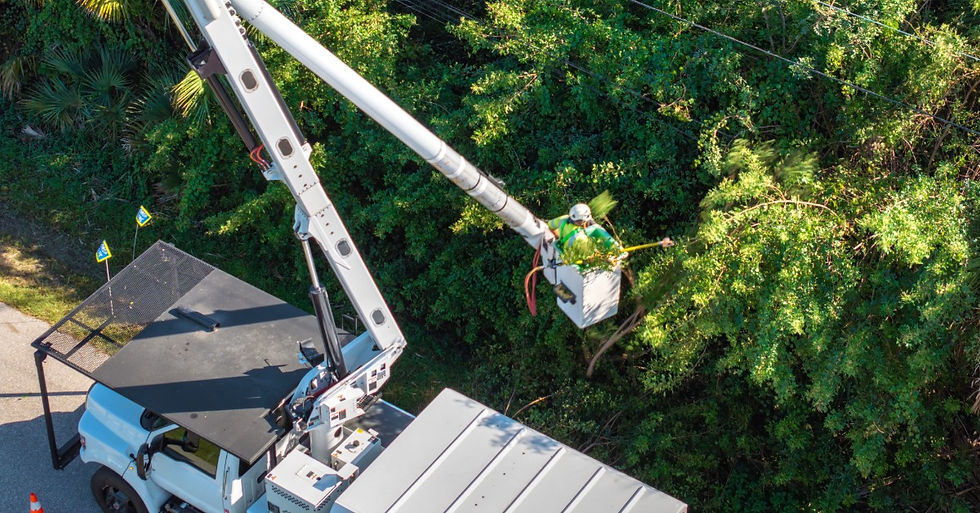
Working near power lines involves significant danger. Anyone without proper training or equipment should avoid trimming or removing branches close to wires.
A professional tree care provider understands how to manage these situations safely. They follow industry standards and use specialized tools to reduce risk.
In many cases, utility companies also coordinate with licensed crews to handle vegetation management near major lines.
The Role of Proper Pruning
Strategic pruning plays a major role in keeping trees clear of utility lines. Instead of cutting randomly, professionals focus on guiding growth away from wires.
Effective pruning techniques:
Remove branches that grow toward lines
Encourage outward growth patterns
Maintain tree health while improving clearance
Prevent weak or hazardous limbs
Quality tree pruning services can help extend the life of a tree while minimizing interference with nearby utilities.
Choosing the Right Trees for Utility Areas
Tree selection matters more than many property owners realize. Some species grow tall and wide, while others remain compact and manageable.
When planting near utility lines, consider:
Mature height and spread
Growth rate
Root system behavior
Resistance to storm damage
Smaller ornamental trees often work better in these areas than large shade trees. Planning ahead reduces the need for frequent trimming.
How Weather Impacts Tree and Wire Safety
Storms often expose the weaknesses in unmanaged trees. High winds can push branches into power lines or snap limbs entirely.
Heavy rain can also soften soil, making trees more likely to lean or fall. Ice and snow add extra weight, increasing the chance of breakage.
Regular maintenance reduces the likelihood of storm-related damage and helps keep utilities operational during severe weather.
Signs a Tree Is Too Close to Power Lines
Property owners should watch for early warning signs that indicate a tree has grown too close to utility lines.
Look for:
Branches touching or nearly touching wires
Visible sparking or buzzing sounds
Leaning trees toward utility lines
Dead or weakened limbs near wires
Rapid growth after a recent pruning
Addressing these signs early can prevent dangerous situations from developing.
Why DIY Tree Work Near Wires Is Risky
Many homeowners attempt to trim trees themselves, but working near power lines increases the risk significantly. Even non-contact situations can become dangerous due to electrical conduction.
Common DIY risks include:
Accidental contact with live wires
Falling branches hitting lines
Improper cuts that damage tree health
Lack of proper safety equipment
Professional crews train specifically for these conditions, making them a safer choice for this type of work.
Utility Company Responsibilities vs Property Owner Duties
Responsibility for tree maintenance near utility lines often falls between property owners and utility providers. Understanding this distinction helps avoid confusion.
Utility companies typically manage:
Trees near main distribution lines
Vegetation that threatens public infrastructure
Scheduled clearance along major routes
Property owners usually handle:
Trees on private property
Growth affecting service lines to the home
Routine maintenance and pruning
Checking with your local provider can clarify who handles specific situations.
Long-Term Tree Management Strategies
Managing trees near utilities requires more than a one-time fix. Long-term planning helps trees remain safe and healthy as they grow.
Effective strategies include:
Regular inspections every year
Scheduled pruning cycles
Selecting appropriate tree species
Monitoring growth patterns
Addressing issues before they escalate
Consistent care reduces emergency situations and helps maintain a safer property.
How Professional Tree Services Support Safe Utility Clearance
Experienced tree service providers bring the knowledge and equipment needed to handle complex situations around wires. They assess tree structure, identify risks, and implement solutions that protect both the tree and surrounding utilities.
For homeowners and property managers, working with a trusted provider offers peace of mind. Safe, efficient service reduces the chance of outages, property damage, and personal injury.
Companies with extensive experience understand how to balance tree health with safety requirements, which aligns with the needs of property owners seeking reliable solutions.

Balancing Tree Health and Safety
Removing too much of a tree can weaken it, while ignoring growth can create hazards. The goal is to find a balance that supports both safety and long-term health.
Proper pruning techniques focus on:
Maintaining structural integrity
Reducing stress on the tree
Preventing disease and decay
Encouraging stable growth
A thoughtful approach helps make sure trees remain an asset rather than a liability.
Preventing Future Conflicts Between Trees and Utilities
Prevention starts with planning and awareness. Property owners who take proactive steps can avoid many common issues.
Key preventive measures include:
Planting trees in appropriate locations
Scheduling regular maintenance
Monitoring growth near utility lines
Consulting professionals before problems arise
These actions help reduce risks and create a safer environment for both people and infrastructure.
Managing Trees Around Wires
Trees and utility lines will continue to share space, especially in residential and developed areas. Managing that relationship requires attention, planning, and professional support when needed.
By understanding the risks and taking proactive steps, property owners can maintain healthy trees while protecting essential services. A well-maintained landscape not only improves safety but also preserves the value and appearance of a property.
For homeowners and property managers, staying informed and acting early makes all the difference when working around wires.


