


How To Handle Fallen Trees After Violent Storms

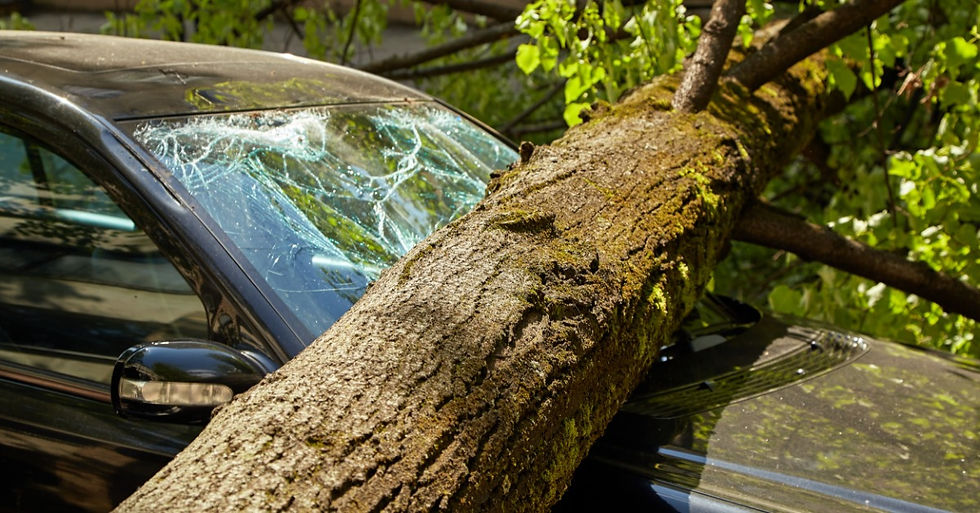
Violent storms can leave behind serious damage, especially when trees fall across yards, driveways, or structures. Homeowners often face immediate safety concerns along with the challenge of cleanup. Knowing how to respond quickly and correctly helps prevent further damage and keeps everyone safe.
Fallen trees require careful handling because they often involve hidden hazards like unstable limbs, electrical risks, and structural pressure points. Taking the right steps early can make a difficult situation much more manageable.
Assess Immediate Safety Risks First
Start by evaluating the area from a safe distance. Look for downed power lines, hanging branches, or trees resting on structures. These conditions create dangerous environments that require caution.
Never approach a fallen tree that touches electrical lines. Contact your local utility company right away if you suspect any involvement with power lines. Electricity can travel through branches and even the ground nearby.
Check for Structural Damage Around Your Property
Fallen trees often impact roofs, fences, garages, or nearby buildings. Inspect these areas carefully without placing yourself in harm’s way. Even small shifts in the tree can cause sudden movement.
Look for cracks, sagging structures, or displaced materials. If the tree rests on your home, avoid entering affected areas until professionals evaluate the damage.
Keep People and Pets Away From the Area
Safety should remain your top priority. Fallen trees can shift without warning, especially after storms weaken surrounding soil.
Create a clear boundary around the affected area. Keep children and pets indoors or far away from the site until you complete removal and cleanup.

Document the Damage for Insurance Claims
Take clear photos of the fallen tree and any damage it caused. Capture wide shots and close-up images from multiple angles.
Documentation helps support your insurance claim and speeds up the process. Record the time of the storm and note any immediate actions you took after the incident.
Identify Whether the Tree Can Be Handled Safely
Not every fallen tree requires heavy equipment, but many situations still involve serious risk. Smaller limbs and branches may allow for safe removal with proper tools.
Larger trees, especially those tangled in structures or other trees, require professional handling. Attempting to cut or move them without experience can lead to injury or additional property damage.
Watch for Tension and Pressure in Branches
Storm-damaged trees often contain trapped energy. Branches under tension can snap or spring back when cut improperly.
Observe how the tree rests on the ground. Look for bent limbs, twisted trunks, or sections pinned under weight. These signs indicate stored pressure that needs careful release.
Use Proper Tools and Protective Gear
If you decide to handle smaller debris, use the right equipment. Safety gear protects you from sharp edges, falling branches, and unstable footing.
Wear gloves, eye protection, and a hard hat
Use a chainsaw only if you have experience
Keep a stable stance while cutting branches
Cut smaller sections instead of large pieces
Stay aware of shifting weight during removal
Even minor cleanup can become hazardous without proper precautions. Take your time and prioritize safety over speed.
Know When to Call a Professional Tree Service
Some situations demand professional expertise. Trees that involve power lines, structural damage, or large root systems require specialized equipment and training.
Professionals understand how to remove trees safely without causing further damage. They also handle debris efficiently, which saves time and reduces stress after a storm.
Homeowners often rely on tree hauling services in Birmingham, AL to manage large-scale storm debris. These services handle removal, transport, and disposal, which keeps properties clean and safe.
Clear Debris to Prevent Further Hazards
Once you remove the main tree, smaller debris still poses risks. Branches, leaves, and splintered wood can create tripping hazards or block drainage areas.
Clear pathways first to restore safe access around your property. Then move on to larger cleanup tasks like hauling and disposal. Proper debris removal also reduces the risk of pests settling in damaged wood.
Inspect Remaining Trees for Damage
Storms rarely affect just one tree. Nearby trees may have weakened branches or compromised root systems.
Walk your property and look for signs of stress, such as leaning trunks, cracked limbs, or exposed roots. Addressing these issues early helps prevent future tree failures during the next storm.
Understand Local Regulations for Tree Removal
Some areas have guidelines regarding tree removal, especially for larger trees or those near property lines. Check local regulations before removing or disposing of large sections.
Permits may apply in certain situations. Following local rules ensures you avoid fines or complications during cleanup.
Plan for Proper Disposal of Tree Debris
Disposing of a fallen tree requires more than moving it to the curb. Large trunks and branches often need specialized hauling or recycling.
Some municipalities offer yard waste pickup, but storm damage can overwhelm these services. Professional hauling ensures debris gets removed quickly and responsibly.
Prevent Future Tree Damage Through Maintenance
Storm preparedness starts long before severe weather hits. Regular tree maintenance reduces the likelihood of falling trees.
Trim dead or weak branches before storm season. Maintain proper spacing between trees and structures. Healthy trees withstand strong winds better than neglected ones.
Recognize Signs of Root Instability
Roots play a major role in tree stability. Saturated soil from heavy rain can weaken root systems and cause trees to fall.
Watch for signs like lifted soil, leaning trunks, or exposed roots. These indicators suggest instability that requires attention before the next storm.
Act Quickly but Carefully After a Storm
Time matters after a tree falls, but rushing can create additional risks. Focus on safety, documentation, and proper assessment before starting cleanup.
Taking a structured approach helps you manage the situation without unnecessary complications. You protect your property while reducing the chance of injury.
Work With Experienced Tree Professionals When Needed
Storm damage often creates complex situations that require skill and equipment. Professional tree services bring both experience and efficiency to the job.
We handle hazardous removals, heavy lifting, and proper disposal. This support allows homeowners to recover faster after severe weather events.
Restore Your Property Safely and Efficiently
Handling a fallen tree after a violent storm involves cutting and hauling, but it’s not only that. It requires careful planning and the right approach to cleanup.
By focusing on safety, proper assessment, and professional help when needed, you can restore your property without adding further damage. Storms may cause disruption, but the right response helps you regain control quickly.


